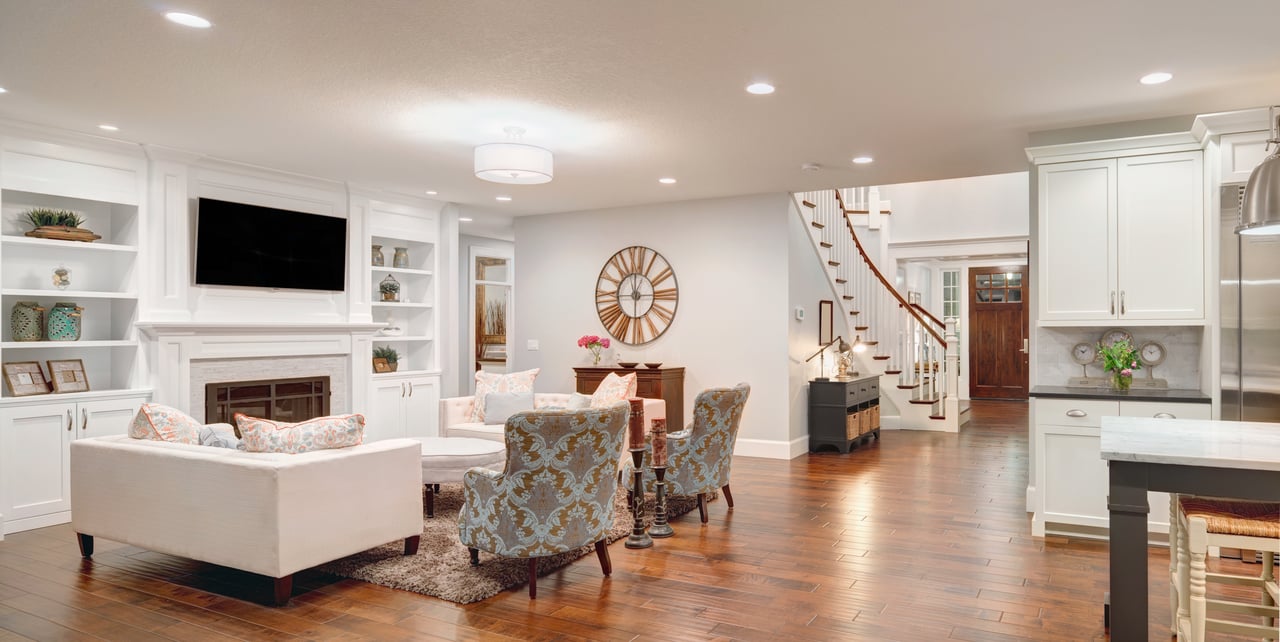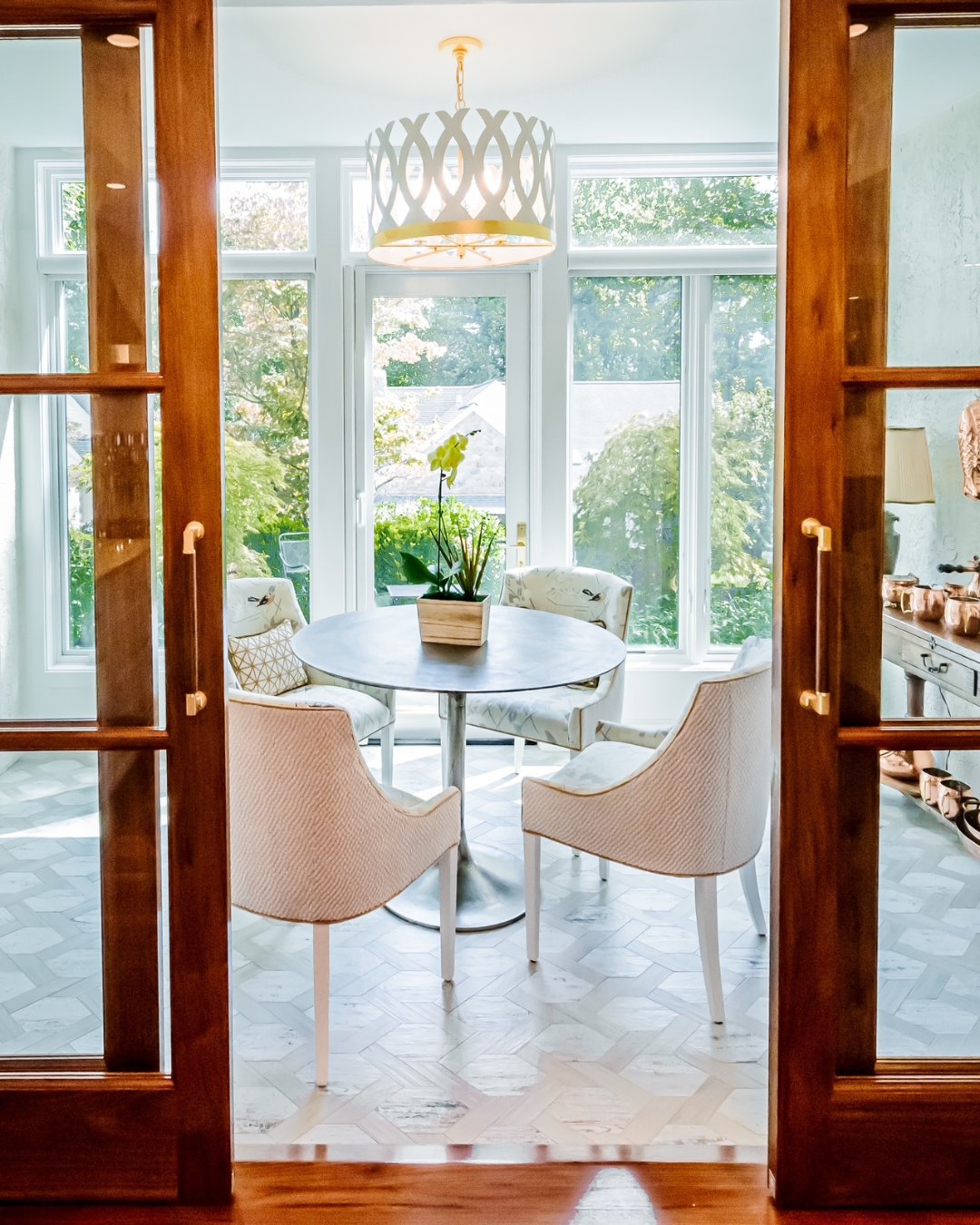
The Fall Real Estate Market Is Here: What Philadelphia and Main Line Sellers Need to Know
Kevin J. Yurick September 17, 2026
Kevin J. Yurick September 17, 2026
Fall has always been an important real estate season around Philadelphia and the Main Line. Vacations are over, routines are back, and buyers who put their searches on hold during the summer often return with renewed focus.
But this fall, sellers need to understand something important:
The market has shifted, and the strategy needs to shift with it.
That doesn't mean homes aren't selling. They are. It doesn't mean buyers suddenly have all the leverage, either.
What it does mean is that buyers have more to consider, more opportunities to compare, and in many cases, a little more time to make their decisions.
For sellers, that makes how you bring a home to market increasingly important.
According to Realtor.com® Economic Research’s August 2026 housing data, active inventory across the Philadelphia-Camden-Wilmington metro area was up 13.3% compared with a year ago. Homes were also spending four days longer on the market, and 16.7% of listings had experienced a price reduction.
What does that mean for sellers? Buyers have more options, more time to compare them, and more reason to be selective.
That doesn’t mean homes aren’t selling. It means the homes that are priced, presented and positioned well have a better opportunity to stand out.
And when buyers have more choices, the details matter.
When buyers have fewer homes to choose from, they may be more willing to overlook something they don't love. Give them several comparable homes within the same price range and the conversation changes.
Now they're comparing.
Which home has the better location? Which one feels better maintained? Which has better natural light? Which floor plan works better? Which kitchen feels more current? Which home needs less work?
And ultimately:
Which one feels like the better value?
That's why I believe sellers this fall need to think beyond simply getting their home listed.
There is no substitute for good pricing.
A beautifully presented home can still struggle if it's significantly overpriced, particularly when buyers can easily see what else their money will buy.
But buyers don't experience a home on a spreadsheet.
They experience it when they walk through the front door.
They notice the amount of natural light. They notice whether rooms feel open or crowded. They notice how one space connects to another. They notice condition, finishes, landscaping and maintenance.
Sometimes they can't even articulate why one home feels better than another.
It simply does.
That emotional response shouldn't be underestimated when preparing a home for sale.
This is where my background in marketing and design often influences the way I look at a property.
I'm not interested in making every home look the same.
In fact, I think that can be a mistake.
A Philadelphia rowhome shouldn't be presented like a Main Line Colonial. A mid-century ranch shouldn't suddenly be asked to look like new construction. And a beautifully maintained traditional home doesn't need to have all of its character stripped away because someone decided everything needs to be gray, white or whatever happens to be trending at the moment.
Good presentation starts by understanding the home itself.
What makes it interesting?
What will its likely buyer appreciate?
Where are its strongest architectural features?
Are we drawing attention to them or distracting from them?
Can buyers immediately understand how the rooms function?
Sometimes something as simple as furniture placement can change the way a buyer understands a room. Removing one oversized piece can improve flow. Changing a light fixture can completely change a first impression. Fresh paint can make natural light feel dramatically different.
None of those decisions are about decorating for decorating's sake.
They're about helping buyers see the home at its best.
One of the biggest questions I hear from homeowners considering selling is some version of:
“What should we update before we put the house on the market?”
My answer isn't automatically the kitchen.
Or the bathrooms.
Or anything else.
The better question is: What is actually preventing this home from showing its value?
Sometimes the answer is a larger improvement. Other times it's paint, lighting, landscaping, flooring or addressing deferred maintenance.
And sometimes the right answer is to do very little.
If a space is beautifully considered, well maintained and appropriate for the character of the home, making it newer doesn't necessarily make it better.
That's an important distinction.
Every dollar spent preparing a home for sale should have a purpose. If we're going to recommend spending money, we should understand what we're trying to accomplish with it.
Are we eliminating a likely buyer objection?
Improving a first impression?
Making a room feel larger?
Creating better flow?
Helping the photography?
Making the home more competitive with nearby listings?
If we can't answer that question, the project may not be necessary.
This may be one of the most important things for sellers to understand this fall.
Headlines can tell us what's happening across a metro area. They can't tell you exactly what's happening on your street.
Market conditions can change considerably between Philadelphia and the suburbs, from one Main Line community to another, and even between two price ranges within the same town.
A $500,000 property and a $1.5 million property can be operating in very different markets.
So can a renovated home and one requiring substantial work.
That's why broad market statistics are useful context, but they aren't a pricing or selling strategy.
For that, you need to look much closer.
What has actually sold nearby? What's currently competing with your home? How long are those properties taking to sell? Have they reduced their prices? What condition are they in? And perhaps most importantly, what choices will a buyer have when your home comes on the market?
Those answers tell us much more about how to position a home.
Before bringing a home to market, I tend to look at it through two lenses:
How will a buyer experience this home?
And:
What, if anything, should we change before they do?
Sometimes the answer involves making improvements.
Sometimes it's changing the way a space is presented.
Sometimes it's adjusting expectations around price.
And sometimes it's recognizing that what is already there is exactly what makes the home special.
The goal isn't perfection.
It's making smart decisions about where to spend, where not to spend, what to emphasize, and how to position the home against the competition buyers will actually see.
Because particularly in a market where buyers have more choices, there's a meaningful difference between simply putting a home on the market and intentionally bringing it to market.
That's how I see your home.
Source: Realtor.com® Economic Research, August 2026 Monthly Housing Trends Report, September 2, 2026
Stay up to date on the latest real estate trends.
Fall has always been an important real estate season around Philadelphia and the Main Line. Vacations are over, routines are back, and buyers who put their searches on… Read more

You can walk through two homes with similar square footage, the same number of bedrooms and bathrooms, and even a comparable price, and have completely different react… Read more

If you're thinking about selling your home in Philadelphia, the Main Line, Delaware County, Chester County, or Montgomery County, one of the first questions you probab… Read more

For the past few years, many homeowners found themselves in a holding pattern. Even those who had outgrown their homes, needed more space, wanted less maintenance, or… Read more

If you’re planning to buy a home in the Philadelphia area in 2026, one of the most common questions is: “Where does my money go further, Philadelphia or the suburbs?”
The Philadelphia real estate market and Main Line housing market in 2026 are shifting in ways that buyers and sellers need to understand. While some homes are selling … Read more

When people think about preparing a home for sale, the conversation often goes straight to what needs to be fixed.

It’s one of the most common things I hear from buyers: “We’re just waiting for the right one.”

What the Shift in Interest Rates Means for Buyers and Sellers
I am committed to guiding you every step of the way—whether you're buying a home, selling a property, or securing a mortgage. Whatever your needs, I've got you covered.